




Yellowstone Wildlife Guide 2026: Where to Find Bears, Wolves & Bison
Want to see bears and wolves in Yellowstone? Our 2026 guide reveals the best spots like Lamar Valley, the best times for wildlife viewing, and essential safety tips for your trip. Plan your adventure today!
4/9/20268 min read
Introduction to Yellowstone's Wildlife
Yellowstone National Park, established in 1872, is renowned for its stunning landscapes and geothermal features. However, it is perhaps most celebrated for its rich diversity of wildlife. Covering over 3,400 square miles, the park provides habitat for a considerable range of animals, making it a prime location for wildlife observation. Among the most iconic species that call Yellowstone home are bears, wolves, and bison, which are integral to the park’s ecosystem.
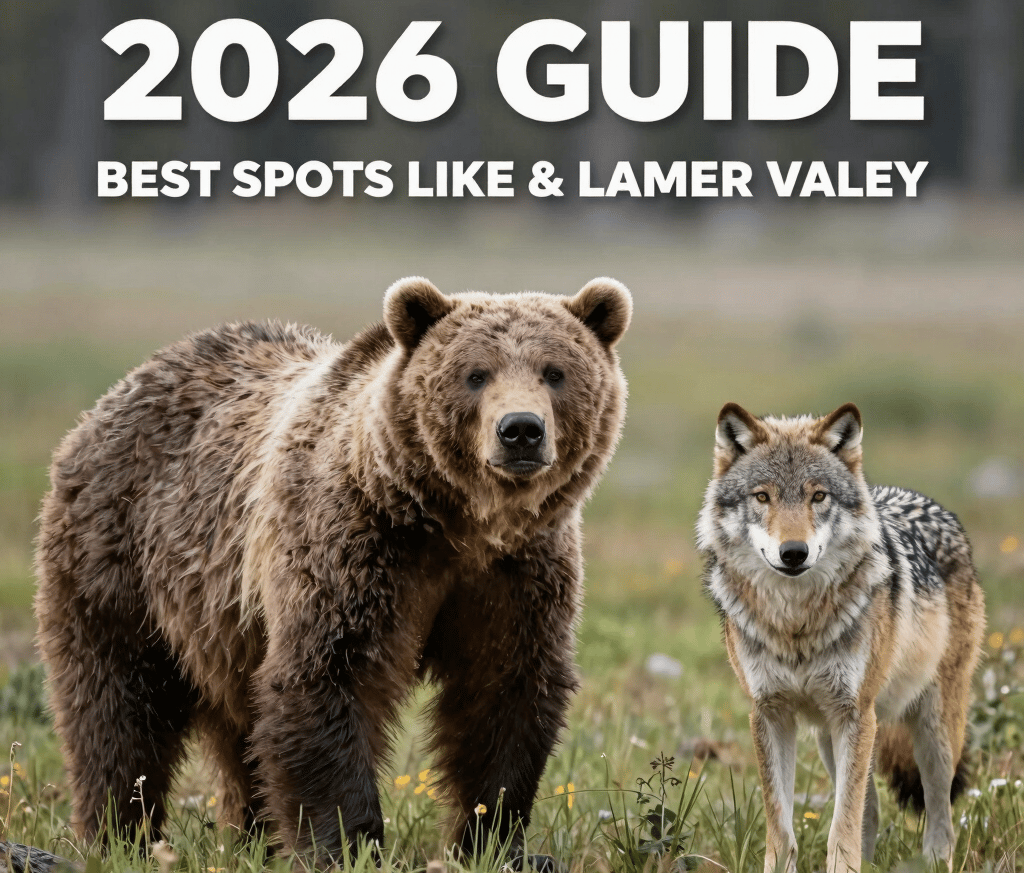
The park serves as a sanctuary for large mammals, with populations of American black bears and grizzly bears thriving in various habitats. Visitors are often captivated by the sight of these magnificent creatures foraging in the meadows or frolicking among the trees. Moreover, wolves have made a notable comeback in Yellowstone since their reintroduction in 1995, and they play a crucial role in maintaining the park’s ecological balance. Observing a pack of wolves is a privilege that attracts wildlife enthusiasts from all over the world.
Bison, often referred to as the park's most iconic species, can be found roaming the expansive grasslands, exhibiting behaviors that reflect their status as one of the largest terrestrial mammals in North America. Their presence is not only a sign of a healthy ecosystem but also a crucial part of Yellowstone's natural heritage.
In addition to these iconic species, Yellowstone hosts a spectacular array of wildlife, including elk, moose, coyotes, and many migratory birds. The park’s varied ecosystems, ranging from alpine tundra to lush forests, provide a diverse habitat that sustains these populations. Such biodiversity underscores Yellowstone's importance as a preserve for wildlife and makes it a must-visit destination for those passionate about nature and conservation.
Best Spots for Wildlife Viewing: Lamar Valley and Hayden Valley
Yellowstone National Park is home to a diverse range of wildlife, and two of the most favorable locations for wildlife viewing are Lamar Valley and Hayden Valley. Each of these valleys presents unique geographical features and habitats that contribute to their reputation as premier spots for observing bears, wolves, bison, and other wildlife in their natural environment.
Lamar Valley, often referred to as the "Serengeti of America," boasts vast open grasslands, which are ideal for grazing animals such as bison and elk. This expansive valley lies in the northeastern part of Yellowstone and is surrounded by a picturesque landscape of mountains and rivers. The presence of rich plant life attracts herbivores, creating a food chain that supports large predators, notably wolves. Early mornings and late afternoons are particularly rewarding for wildlife watchers, as these are prime times for animal activity. Observation points along the roads leading to Lamar Valley offer exceptional vantage points for spotting wildlife without disturbing their natural behaviors.
On the other hand, Hayden Valley is located near the center of Yellowstone and encompasses a unique mosaic of wetlands, marshes, and open meadows. This diverse habitat is known for its dense populations of bison, especially during the summer months. The proximity of the Yellowstone River enhances the attractiveness of Hayden Valley, providing water resources that are critical for wildlife. In addition, the valley is a migratory route for many species, making it a hotspot for bird watchers. Visitors can often witness the slow movements of bison herds and might be fortunate enough to see a grizzly bear foraging along the riverbanks.
Both Lamar Valley and Hayden Valley play integral roles in maintaining Yellowstone's ecological balance and offer unparalleled opportunities for wildlife enthusiasts. Their unique physical characteristics and abundant habitats make them the top locations for appreciating the majestic wildlife of Yellowstone.
Perfect Timing: Dawn and Dusk for Wildlife Sightings
When planning a visit to Yellowstone National Park, understanding the best times for wildlife watching can greatly enhance your experience. The optimal hours for sightings are typically at dawn and dusk. During these twilight periods, many animals are most active as they engage in foraging, hunting, or socializing. This heightened activity increases the likelihood of observing species such as bears, wolves, and bison.
At dawn, as the sun rises over the majestic landscapes, animal behaviors shift. Many species, including large mammals, are beginning their day after a night of rest. Grizzly and black bears, for instance, tend to emerge from their dens or nighttime foraging spots to seek food in the cooler morning hours. Similarly, wolves are often seen on the prowl, employing their predatory instincts as they hunt for prey. Moreover, this early hour offers a quieter park atmosphere, allowing visitors to experience wildlife in their natural habitat without the distractions of larger crowds.
Dusk presents a reverse scenario, where the setting sun triggers another wave of activity. Animals prepare for nighttime behaviors, and those hunting or foraging typically take advantage of the lowered light levels for stealth. Bison may graze in the meadows, while coyotes begin to stir, signaling their impending nocturnal activity. Even migratory species such as elk become more visible during these hours, as they move in herds towards feeding grounds.
To maximize wildlife sightings, visitors should plan their park schedule around these peak hours. Arriving early for sunrise or staying later to catch the sunset can yield remarkable opportunities for observation. It is also advisable to choose locations known for wildlife activity during these periods, such as Lamar Valley or the Hayden Valley. Ultimately, understanding the rhythm of Yellowstone's wildlife can lead to a rewarding and memorable experience.
Wolf Watching: Where to See Yellowstone's Wolves
The reintroduction of gray wolves to Yellowstone National Park in 1995 marked a significant turning point in the park's ecological recovery. As apex predators, wolves play a crucial role in maintaining the balance of the ecosystem. Their presence influences the behavior of other species, including elk and deer, which in turn affects the vegetation and overall health of the habitat. Today, Yellowstone boasts a thriving population of wolves, providing visitors with an exceptional opportunity to observe these fascinating animals in their natural environment.
For those interested in wolf watching, there are several prime locations within Yellowstone where sightings are more likely. One of the most notable spots is the Lamar Valley, often referred to as the "Serengeti of North America" due to its rich wildlife. Early morning and late afternoon are the best times to observe wolves, as they are generally more active during these hours. Additionally, the Slough Creek area is another excellent viewing site, where wolf packs can often be spotted as they traverse the landscape.
When planning a wolf watching expedition, it is essential to utilize strategies that enhance the experience while maintaining respect for wildlife protocols. Bringing binoculars or a spotting scope can greatly improve visibility, allowing for a more intimate viewing experience from a safe distance. Always remember to respect the minimum distance guidelines set by the National Park Service, which recommend staying at least 100 yards away from wolves. This not only ensures your safety but also helps in mitigating stress levels for the animals. Observing the social dynamics within a wolf pack can be both thrilling and insightful; they often exhibit complex behaviors such as hunting strategies, play, and nurturing of young pups. By following these guidelines, visitors can enjoy the spectacular experience of wolf watching while contributing to the conservation of these incredible animals.
Grizzly Bear Safety: Being Bear Aware
When visiting grizzly bear habitats, such as those found in Yellowstone National Park, being bear aware is crucial for both your safety and that of these magnificent creatures. Grizzly bears are inherently curious yet unpredictable, making it essential to understand their behavior and the environment in which they live. One of the most effective ways to ensure safety in bear country is by maintaining a respectful distance from these animals, adhering to park guidelines regarding viewing distances, which typically recommend staying at least 100 yards away from grizzly bears.
In addition to keeping a safe distance, carrying bear spray can be a vital precaution. Bear spray is a potent deterrent that, when used correctly, can prevent a potentially dangerous encounter with a grizzly bear. It is essential to know how to use bear spray effectively; practice removing it from its holster and ensure it is easily accessible. Familiarize yourself with how to aim and discharge the spray by reviewing the user instructions often provided with the product.
Being aware of bear behavior is another significant aspect of staying safe. Bears, particularly mothers with cubs, may act defensively if they feel threatened. Learn to recognize signs of their presence, such as tracks, scat, or digging that indicates foraging. Avoid surprising bears by making noise while hiking and stay together in groups, as larger groups are less likely to prompt an aggressive bear response. By understanding grizzly bears and taking essential precautions, visitors to bear country can help ensure both their safety and that of the wildlife around them.
Wildlife Spotting Checklist and Binocular Tips
When visiting Yellowstone National Park, having a wildlife spotting checklist can significantly enhance your experience. Some key species to be on the lookout for include the iconic American bison, the majestic gray wolf, and the elusive grizzly bear. Other notable animals that frequent the park are elk, moose, and various species of birds such as eagles and swans. Making a checklist not only helps in identifying these creatures but also adds to the excitement of wildlife watching.
To better observe the wildlife from a safe distance without disturbing their natural habitat, a good pair of binoculars is essential. Look for binoculars that offer at least 8x magnification with a wide field of view. This combination provides clarity and allows you to spot animals without missing the details of their behavior. Waterproof and fog-proof models are recommended for the unpredictable weather conditions often experienced in Yellowstone.
In addition to binoculars, consider using a spotting scope for greater detail when observing wildlife at a distance. These devices provide a more powerful magnification, allowing enthusiasts to appreciate various species’ features. Additionally, carrying a field guide or a mobile app that provides information on animal behavior and habitats can enhance the experience significantly.
It is always advisable to maintain a respectful distance from wildlife and never approach them. Keep a pair of high-quality binoculars handy, and familiarize yourself with safe observation practices. Adopting these techniques will not only facilitate rewarding sightings but also ensure both your safety and that of the animals encountered along your journey.
Book Your Yellowstone Wildlife Photography Tour
Embarking on a wildlife photography tour in Yellowstone National Park is an unparalleled experience that allows visitors to fully immerse themselves in the stunning natural beauty and rich biodiversity of the area. With the guidance of professional naturalists and photographers, adventurers have the unique opportunity to observe iconic species such as bears, wolves, and bison in their natural habitat. This not only ensures a more enriching experience but also enhances the likelihood of capturing breathtaking photographs.
Opting for a guided tour provides numerous advantages. Professional wildlife guides possess extensive knowledge of the park's ecosystems, behaviors of the animals, and the best locations for sighting. They navigate the sometimes challenging terrain, allowing you to focus solely on the incredible wildlife encounters. Moreover, they equip you with tips on photography techniques tailored specifically for wildlife settings, significantly improving your chances of achieving stunning shots.
Whether you are a seasoned photographer or an amateur looking to develop your skills, these tours cater to all levels of expertise. The guides prioritize safety and ethics, ensuring that wildlife is observed responsibly without disturbing their natural behaviors. Consequently, this fosters a sustainable way to enjoy Yellowstone's wildlife, which is essential for conservation efforts.
Don’t miss out on the chance to witness these majestic creatures up close and capture their beauty through your lens. To get started, check out the selection of professional wildlife photography tours available for the 2026 season. By following the affiliate links provided, you can easily secure your spot. Take the leap, and book your Yellowstone wildlife photography tour today!
Contact
Questions? Reach out anytime, we're here.
Support@visiteyellowstone.com
VisiteYellowstone © 2025. All rights reserved.