



Where to Stay in Yellowstone 2026: Hotels, Lodges & Best Towns
Planning your trip and wondering where to stay in Yellowstone? Check our 2026 guide for the best hotels inside the park, affordable lodging in West Yellowstone, and expert tips for national park reservations
4/7/20264 min read
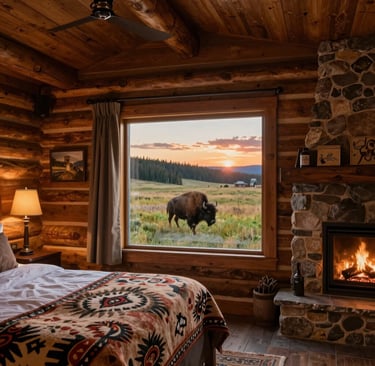
Overview of Yellowstone Lodging Options
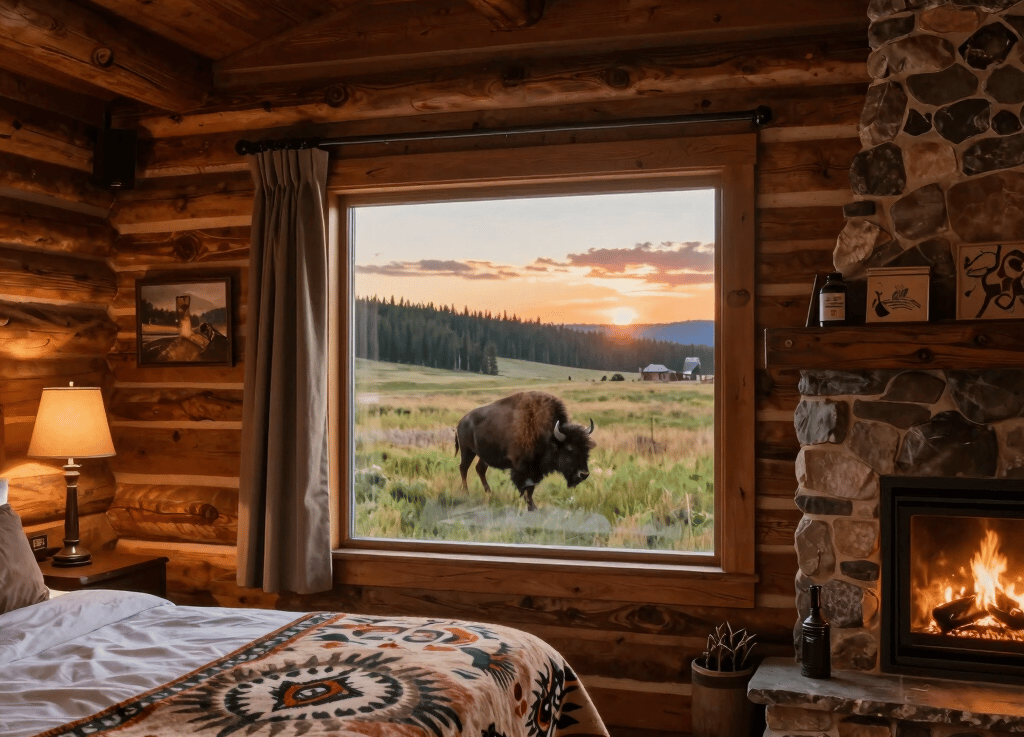
When planning a visit to Yellowstone National Park, one of the most crucial decisions involves selecting the appropriate lodging options. The significance of this choice cannot be overstated, as it can greatly influence the overall experience during one’s stay. Yellowstone offers a variety of accommodations that cater to a wide range of preferences, from those seeking rustic charm to those desiring modern amenities. Understanding these options is essential for visitors aiming to make the most of their trip.
Primarily, the lodging choices in and around Yellowstone are divided into two categories: in-park lodges and gateway towns. In-park lodges provide guests with the convenience of staying within the park itself. This option allows for easy access to the park's most famous attractions, such as the Old Faithful geyser and the Grand Canyon of the Yellowstone. By staying in these lodges, visitors can enjoy the unparalleled beauty of the park's scenic vistas at various times of the day, particularly during early mornings or late evenings when wildlife is most active.
On the other hand, gateway towns like West Yellowstone, Gardiner, and Cody offer a different set of advantages. While these towns are located just outside the park’s boundaries, they often provide more extensive dining, shopping, and entertainment options than in-park lodges. Additionally, accommodations in these towns can be more varied, ranging from budget-friendly motels to upscale hotels. The choice between in-park lodging and gateway town accommodations ultimately depends on the visitor's priorities, including their budget, the type of experience they seek, and the accessibility to various park attractions. Understanding these distinctions will help travelers make informed decisions to enhance their Yellowstone adventure.
In-Park Lodges: Pros and Cons
Staying at in-park lodges such as the renowned Old Faithful Inn and Canyon Lodge offers a unique lodging experience that attracts numerous visitors to Yellowstone National Park. One of the primary advantages of opting for in-park accommodations is the proximity to major attractions, allowing guests easy access to iconic sites like Old Faithful, the Grand Canyon of the Yellowstone, and various geothermal features. Being within the park's boundaries enhances the immersion into the stunning landscapes and abundant wildlife, with visitors often enjoying sunrise and sunset views of these beautiful sites without needing to travel far.
In-park lodges provide a range of unique experiences that cannot be found elsewhere. Guests can partake in guided ranger programs, educational talks, and night sky events organized specifically for lodge residents. This close connection to nature fosters a better appreciation for Yellowstone's natural beauty and its ecological significance, making it an enriching stay for nature enthusiasts and families alike.
However, there are certain drawbacks associated with staying at in-park lodges that travelers must consider. The prices for these accommodations tend to be higher than those in gateway towns, which may not fit every budget. Furthermore, booking can be a challenge due to the high demand during peak seasons, often requiring early reservations months in advance. Amenities may also be limited; in-park lodges generally offer fewer conveniences compared to hotels found in nearby towns. Visitors seeking extensive dining options, shopping, or nightlife may find the limited offerings within the park to be insufficient for their needs.
Ultimately, the decision to stay at an in-park lodge or a gateway town depends on individual preferences and considerations regarding budget, availability, and desired experiences during a visit to Yellowstone National Park.
Gateway Towns: Pros and Cons
When considering accommodations for a Yellowstone National Park visit, gateway towns such as West Yellowstone, Gardiner, and Cody present a compelling alternative to in-park lodges. Each of these towns offers distinct advantages that can enhance the traveler’s experience while also presenting certain drawbacks to consider.
One of the primary benefits of staying in a gateway town is the diversity in price points. Visitors can find a range of accommodations, from budget motels to more upscale hotels, allowing them to select an option that best fits their financial needs. Furthermore, these towns exude a unique local charm, often featuring shops, restaurants, and cultural experiences that provide a more authentic taste of the surrounding area. This local character can significantly enrich the travel experience, as guests may engage with the community and explore the richness of the region.
Additionally, gateway towns offer enhanced access to services and amenities that may be limited in the park itself. Many of these towns have grocery stores, gas stations, and even medical facilities, which can be vital for families or those traveling with pets. With diverse dining options available, travelers can enjoy meals that cater to varying tastes and preferences.
However, there are notable cons to staying in these towns. One significant drawback is the travel time to Yellowstone’s entrances, which can vary depending on traffic and distance from the park. Visitors must consider planning their daily itineraries to accommodate this additional travel. Furthermore, gateway towns can become crowded during peak tourist season, which may lead to long wait times for dining or limited availability of accommodations. Lastly, without the convenience of being within the park, travelers may need to plan more meticulously to ensure they do not miss key attractions within Yellowstone.
Quick Comparison Table and Reservation Tips
When planning a visit to Yellowstone National Park, choosing between in-park lodges and accommodations in nearby gateway towns is crucial for a fulfilling experience. Below is a quick comparison table illustrating the primary differences between these two lodging options:
Feature In-Park Lodges Gateway Towns Proximity to Attractions Close to major geothermal features and trails May require longer drives to reach park attractions Availability Limited, often books out quickly More options, but can still fill up during peak seasons Ambience Rustic, park-themed, immersive nature experience Varied, with a mix of local culture and amenities Cost Generally higher due to location Varied pricing options, often more budget-friendly
When it comes to making reservations for Yellowstone hotels, it is advisable to book as far in advance as possible. In-park lodges typically allow reservations to be made 13 months in advance, and during peak season, rooms can sell out quickly. Therefore, if you plan to visit during the summer months when the park experiences the highest foot traffic, securing your arrangements early is essential.
The best time to visit Yellowstone is often from late spring to early fall, particularly from June to September, when weather conditions are most favorable for exploring. However, each season has its unique appeal; winter offers a serene atmosphere and opportunities for snow sports, while spring showcases the beauty of blooming flora and wildlife activity. Regardless of the season, planning ahead will enhance your ability to enjoy everything Yellowstone has to offer.
Contact
Questions? Reach out anytime, we're here.
Support@visiteyellowstone.com
VisiteYellowstone © 2025. All rights reserved.