




Yellowstone National Park Dangers
Is Yellowstone dangerous? Learn how to avoid bear encounters, bison attacks, and hydrothermal risks with our 2026 Yellowstone safety guide. Stay safe on the boardwalks and enjoy your trip without the drama!
4/7/20265 min read
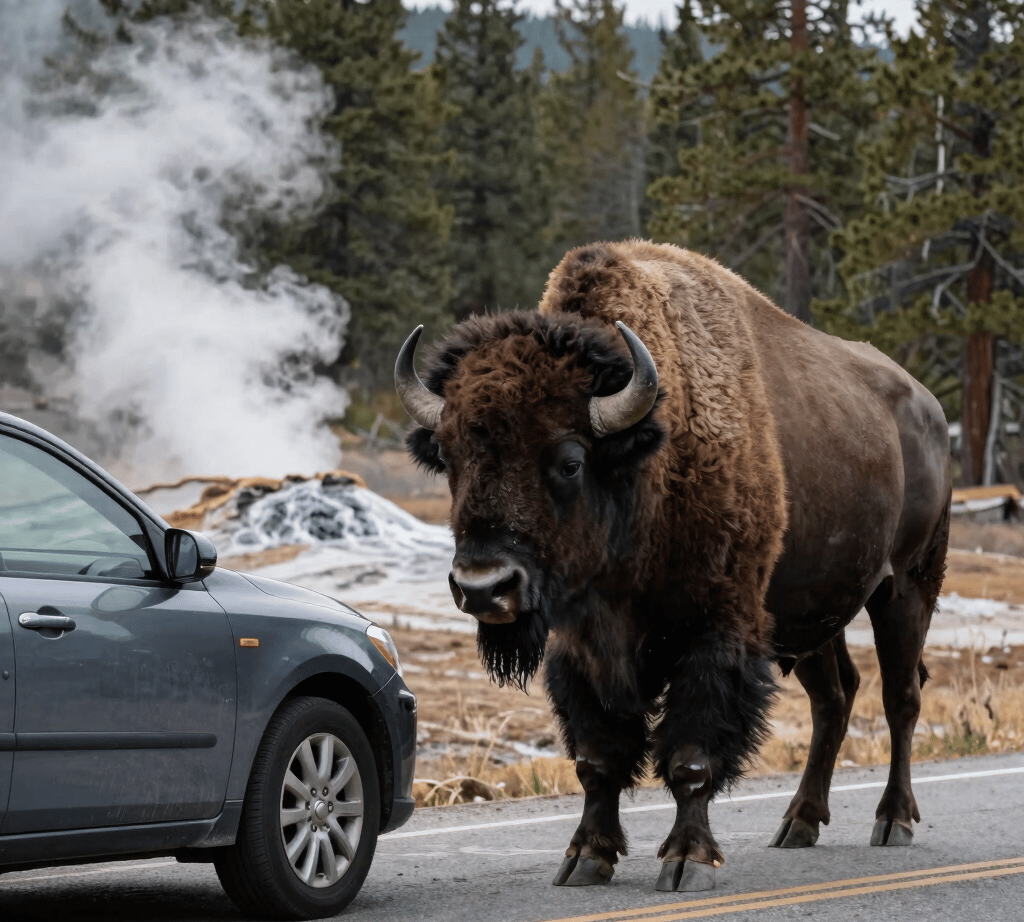
Understanding the Risks: Grizzly Bears, Bison, and Boiling Hot Springs
Yellowstone National Park, while renowned for its breathtaking landscapes, is also home to a range of natural hazards, notably encounters with wildlife and the dangers of hydrothermal features. Grizzly bears, one of the park’s most iconic animals, pose significant risks, particularly during spring and early summer when they emerge from hibernation and search for food. Visitors should understand that grizzlies can be unpredictable, especially when cubs are present. It is crucial for park-goers to remain aware of their surroundings, make noise while hiking to avoid surprising a bear, and store food and garbage securely to minimize unwanted encounters.
Bison, though appearing docile, are responsible for more injuries in Yellowstone than any other animal. These large mammals can be surprisingly quick and aggressive, particularly if they feel threatened or if visitors encroach on their space. Park regulations recommend maintaining a distance of at least 25 yards from bison. It is advisable to remain calm and back away slowly if a bison approaches, rather than attempting to take close-up photographs or provoke the animal unintentionally.
In addition to wildlife threats, the geothermal features of Yellowstone present their own dangers. The park contains many hydrothermal areas, including boiling hot springs, mud pots, and geysers. Temperatures in these areas can reach lethal levels, often exceeding 200 degrees Fahrenheit. Visitors should stick to designated pathways and heed warning signs. Entering these areas can lead to severe burns or even fatal accidents. Familiarizing oneself with the risks associated with both wildlife encounters and hydrothermal features is essential for ensuring a safe and enjoyable visit to Yellowstone National Park.
Essential Safety Protocols: Stay on Boardwalks and Carry Bear Spray
Yellowstone National Park is renowned for its breathtaking landscapes and diverse wildlife, but it is imperative for visitors to prioritize safety by adhering to established protocols. One of the most significant safety measures is the requirement to stay on designated boardwalks. These boardwalks provide crucial access to the park's geothermal features while ensuring visitor safety. Hydrothermal areas are characterized by unpredictable ground conditions, with scalding hot springs and thin crusts that can be deceptive. Venturing off the boardwalks can result in serious injury or death, emphasizing the necessity of remaining on these safe paths to fully experience the park's natural wonders without compromising personal safety.
Equally important is the recommendation to carry bear spray when exploring bear-populated regions of the park. This highly effective deterrent is vital for ensuring safety during wildlife encounters. Bear spray is especially important in areas where bear activities are common, highlighting the need for visitors to be prepared. Understanding how to use bear spray effectively can make all the difference in an emergency. It is essential to familiarize oneself with the proper usage; this includes removing the safety tab, aiming slightly downward and spraying in short bursts. Maintaining a distance from the bear, while also observing its behavior, is critical while taking these precautions.
Moreover, when planning encounters with wildlife, visitors are urged to observe certain guidelines. Keeping a safe distance, ideally at least 100 yards from bears and wolves, and 25 yards from other large animals such as bison and elk is recommended. This not only ensures personal safety but also minimizes stress on the wildlife. Education on these essential safety protocols will significantly enhance the overall experience in Yellowstone National Park, making it memorable for all the right reasons.
Safety Checklist for Hikers and Families
Visiting Yellowstone National Park is an enriching experience, but it is essential to prioritize safety, especially for hikers and families with children. Below is a comprehensive safety checklist to help ensure a safe and enjoyable trip:
Appropriate Footwear: Wear sturdy, closed-toe hiking shoes or boots that provide sufficient grip and support. Hiking boots are preferable to protect against uneven terrain.
Clothing: Dress in layers to accommodate varying temperatures. Waterproof and windproof outer layers are advisable, as weather can change rapidly in the park.
Hydration: Carry enough water to last the entire hike. A minimum of two liters per person is recommended to maintain hydration levels.
Food Supplies: Pack high-energy snacks such as trail mix, energy bars, and fruit. These are beneficial for maintaining energy levels, especially on longer hikes.
First Aid Kit: Ensure the kit includes essentials like band-aids, antiseptic wipes, pain relievers, and any personal medications your family may need.
Navigation Tools: Bring a physical map of the park as cellular signals may vary. It's advisable to have a compass as a backup for orientation.
Bear Spray: For safety while hiking in bear country, carry bear spray and know how to use it effectively. Make noise while hiking to alert wildlife to your presence.
Emergency Plans: Establish a meeting point in case family members are separated. Ensure everyone understands what to do if they encounter wildlife or face an emergency.
Sun Protection: Use sunscreen with a high SPF, wear hats and sunglasses to protect against sun exposure, as it can be intense in elevated areas.
Wildlife Safety: Educate all family members on how to safely observe wildlife from a distance. Maintain a respectful distance and never feed animals.
By following this checklist, hikers and families can enhance their safety while enjoying the stunning landscapes and diverse wildlife of Yellowstone National Park.
FAQs: Is Yellowstone Dangerous?
When considering a visit to Yellowstone National Park, many potential tourists wonder about the level of danger associated with the area. The question, "Is Yellowstone dangerous?" often arises, reflecting concerns about the park’s wildlife, environmental conditions, and geological features. Understanding these factors can help alleviate fears and ensure a safer experience.
One of the primary concerns revolves around wildlife encounters. Yellowstone is home to a diverse range of animals, including bears, bison, and elk. While these creatures are often seen in their natural habitat, it is crucial for visitors to maintain a safe distance. The National Park Service recommends keeping at least 100 yards away from bears and wolves, and 25 yards from other large animals. This distance not only protects visitors but also allows animals to behave naturally without disturbance.
Weather conditions in Yellowstone can also pose potential dangers. The park's climate can shift rapidly, leading to unpredictable weather patterns. Rain, snow, and temperature variations can occur at any time of the year. Visitors should come prepared with the right clothing and gear, and they should regularly check forecasts to inform their activities. Planning ahead is advisable, as certain areas might be less accessible during inclement weather.
Moreover, one cannot overlook the geological phenomena of the Yellowstone caldera. The park sits atop a volcanic hotspot, yet geological activity is closely monitored. While unlikely, it is important for visitors to stay informed about safety measures regarding this natural hazard. Awareness of designated evacuation routes and following park guidelines can facilitate a safe visit.
In conclusion, while Yellowstone National Park does have its hazards, proper preparation and adherence to park safety guidelines can significantly minimize risks. By addressing concerns related to wildlife, weather, and geological features, visitors can enjoy a memorable experience while prioritizing their safety.
Contact
Questions? Reach out anytime, we're here.
Support@visiteyellowstone.com
VisiteYellowstone © 2025. All rights reserved.