




Yellowstone National Park Dangers
Is Yellowstone dangerous? Learn how to avoid bear encounters, bison attacks, and hydrothermal risks with our 2026 Yellowstone safety guide. Stay safe on the boardwalks and enjoy your trip without the drama!
4/7/20264 min read
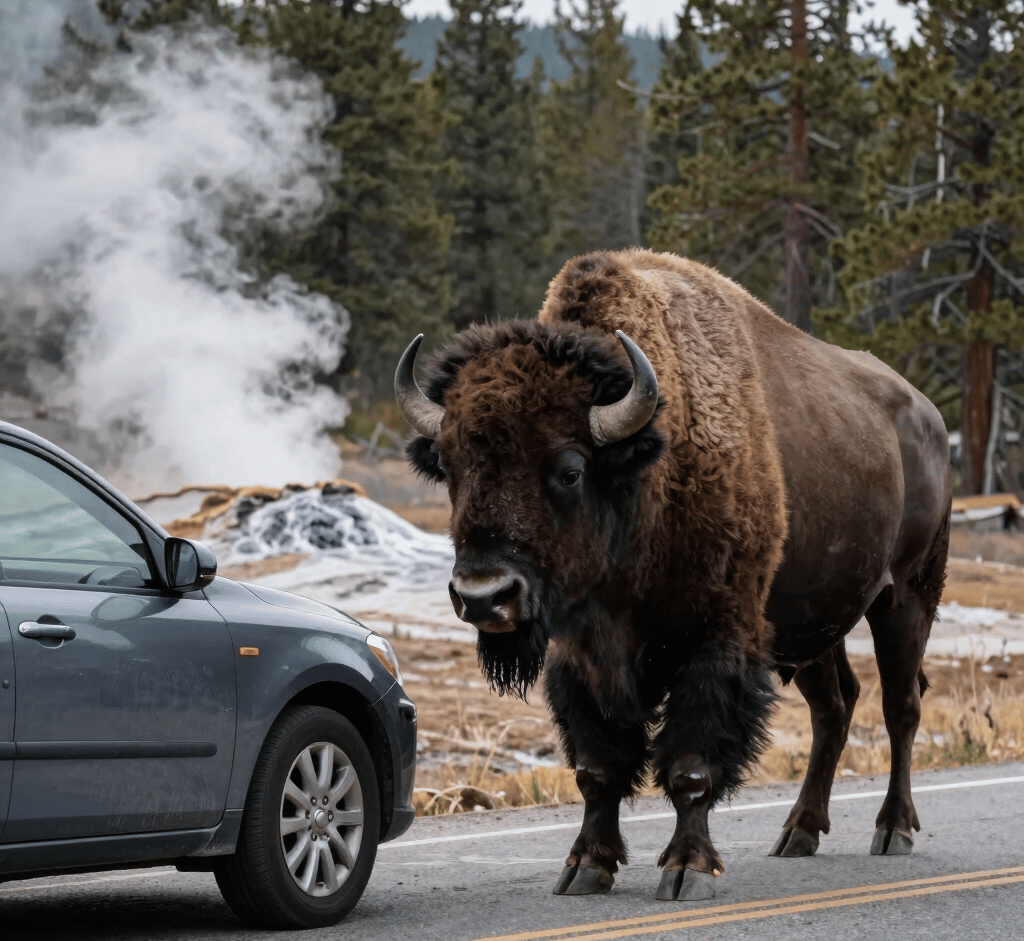
Understanding the Risks: Grizzly Bears and Bison
Yellowstone National Park is home to a variety of wildlife, with grizzly bears and bison being among the most iconic yet potentially dangerous species visitors may encounter. Grizzly bears are powerful animals that can weigh up to 800 pounds and exhibit unpredictable behavior. Although they typically prefer to avoid humans, encounters can occur, especially when bears are surprised or when a mother is protecting her cubs. The park has reported various incidents throughout the years, including attacks on hikers and wildlife watchers, emphasizing the need for caution.
Bison, on the other hand, are often perceived as docile creatures. However, they are unpredictable and can charge when they feel threatened or cornered. Bison can run up to 30 miles per hour and are known to injure individuals who venture too close or attempt to take photographs. Historical data shows that bison-related injuries occur annually, reinforcing the necessity for visitors to adhere to distance guidelines.
Park rangers recommend maintaining a safe distance of at least 100 yards from grizzly bears and 25 yards from bison. This distance ensures visitors can observe these magnificent animals without putting themselves in harm's way. Additionally, when hiking or walking in bear country, it is advisable to travel in groups, make noise to alert wildlife of your presence, and carry bear spray as a precaution. Storing food properly and disposing of waste responsibly will minimize attracting bears and other wildlife. Understanding and respecting the unpredictable nature of these creatures is crucial for safety in Yellowstone National Park.
Hydrothermal Areas: The Danger of Hot Springs
Yellowstone National Park is renowned for its unique geothermal features, including over 10,000 hydrothermal sites, with hot springs being a significant attraction. However, these magnificent natural wonders come with inherent risks, particularly the boiling hot springs found in areas like the Grand Prismatic Spring. The temperatures of these springs can reach up to 200 degrees Fahrenheit (93 degrees Celsius), creating life-threatening situations for any individuals who may accidentally fall in or come into contact with the superheated water.
The geothermal landscape of Yellowstone is fragile and dynamic. Visitors may observe the colorful formations that result from mineral deposits, yet this beauty belies the danger that lurks just beneath the surface. The park's geothermal features are not only unpredictable but can also collapse without warning, exposing people to extreme heat or unstable terrain. Venturing off established paths and boardwalks increases these risks significantly, as well as the likelihood of stepping into a hidden thermal feature.
To ensure a safe exploration of hydrothermal areas, adherence to park guidelines is essential. It is crucial for visitors to remain on designated boardwalks and paths, which are specifically constructed to provide safe viewing opportunities. Additionally, avoiding any temptation to touch the hot springs or venture too close to their edges is paramount in preventing accidents. The park ranger staff routinely emphasizes the importance of following these safety measures to protect individuals and preserve the integrity of Yellowstone’s geothermal wonders.
In conclusion, while the hydrothermal areas of Yellowstone National Park offer breathtaking views, they also pose significant dangers. Understanding the inherent risks associated with hot springs and adhering to safety guidelines is essential for a protected and enjoyable visit to this unique environment.
Safety Checklist for Hikers and Families
When visiting Yellowstone National Park, it is crucial for families and hikers to prioritize safety by preparing adequately. A well-thought-out safety checklist can enhance your adventure and help mitigate potential dangers. The first essential item on your checklist should be bear spray; this is a critical safety tool in the park's wilderness, especially in areas known for bear activity. Ensure that every adult in your group carries bear spray, and familiarize yourselves with its proper usage.
Water is another vital component for your outdoor excursions. Hydration is essential, particularly during physical activities like hiking. Carry enough water for everyone, ideally in reusable containers, to minimize waste. Additionally, it is wise to include a portable water filtration system or purification tablets in case of emergencies.
A first aid kit is indispensable for any outdoor activity. Your first aid kit should contain basics such as band-aids, antiseptic wipes, and pain relief medication, as well as any personal medications your group may require. By preparing a comprehensive first aid kit, you can address minor injuries quickly and effectively, ensuring the safety and wellbeing of all participants.
Proper clothing is equally important, given the varying weather conditions in Yellowstone. Dressing in layers allows you to adjust to temperature changes throughout the day. Waterproof jackets, sturdy hiking boots, and sun protection such as hats and sunscreen should also be included in your clothing checklist.
In addition to packing the right gear, planning and communication are vital elements of a safe experience. Make sure to share your hiking plans with someone and stick to established trails. Always stay informed about the park's current conditions and wildlife activity—this is critical for both safety and enjoyment. Consider downloading the park's app or checking its website for updates before and during your visit.
FAQs: Is Yellowstone Dangerous?
Yellowstone National Park, while a breathtaking natural wonder, often raises concerns regarding safety among potential visitors. The question, "Is Yellowstone dangerous?" is common and merits thorough exploration. Overall, while certain risks exist, being informed and prepared significantly mitigates them, allowing for a safe exploration of this unique environment.
One of the primary concerns relates to wildlife encounters. Yellowstone is home to various species, including bears, bison, and moose. These animals can display unpredictable behaviors if approached too closely. Therefore, it is crucial to maintain a respectful distance, use bear-proof food containers, and follow all park guidelines concerning wildlife interactions. Familiarizing oneself with safety protocols when hiking or driving through the park can greatly reduce risks associated with wildlife.
Weather also poses potential dangers, especially in the park's higher elevations where conditions can change rapidly. Sudden storms, cold temperatures, and snow can occur unexpectedly even in summer months. Visitors should check weather forecasts and dress accordingly, layering clothing to maintain comfort and safety throughout their excursions. Additionally, as temperatures shift in the evening, it is sensible to carry extra clothing and gear.
Geothermal features are another element of Yellowstone that requires careful attention. The park contains numerous hot springs, geysers, and fumaroles, many of which can cause serious injuries if safety guidelines are not followed. Visitors should stick to marked paths and observe areas where signs indicate danger, a measure that will enhance their safety while still allowing enjoyment of these natural spectacles.
In summary, while Yellowstone National Park has its dangers, the risks can be effectively managed with adequate awareness and preparation. Visitors are encouraged to consider guided tours, which provide expert knowledge and direction on handling potential hazards safely, ensuring a memorable and enriching experience in this stunning landscape.
Contact
Questions? Reach out anytime, we're here.
Support@visiteyellowstone.com
VisiteYellowstone © 2025. All rights reserved.